Oviond alternatives are white-label reporting platforms that pull your clients’ marketing data, build branded dashboards, and deliver automated reports — all under your agency’s name. If you’re reading this, you’re probably frustrated with widget limits, broken integrations, or a platform that just hasn’t kept up.
The reporting platform space looks completely different in 2026 than it did even a year ago. Supermetrics acquired a customer data platform. Whatagraph slashed prices by 30-40%. DashThis restructured its entire pricing model this month. And every major platform now ships AI features that would’ve sounded like science fiction two years ago.
Most comparison articles out there were written by competing platforms that push their own product first. This guide takes a different approach. We cross-referenced pricing against official sources, verified integration counts, and checked G2 and Capterra ratings against what these companies actually claim. What you’re getting here is the comparison those vendor-written guides won’t give you.
Let’s get into it.
Every Platform at a Glance
Before we break each one down, here’s where they all stand right now:
| Platform | Price | Best For | Key Strength | Integrations | AI Features |
|---|---|---|---|---|---|
| AgencyAnalytics | $59/mo (≤5 clients) | Full-service agencies, 10-100 clients | Built-in SEO tools | 80+ | AI summaries (higher tiers) |
| Swydo | $69/mo + per data source | Growing agencies, 5-50 clients | Excellent support, Data Health Alerts, transparent pricing | 32-37 | AI chatbot for data queries |
| Whatagraph | €199/mo annual | AI-forward mid-sized agencies | IQ Chat, unlimited dashboards and users | 50+ | Natural language data queries |
| NinjaCat | ~$1,500+/mo custom | Enterprise, 20+ clients | Call tracking + reporting + monitoring | 150+ | Budget monitoring dashboards |
| Supermetrics | €29/mo (~$37 USD) | Technical teams with BI tools | Largest connector library | 100-130 | MCP integrations with ChatGPT, Claude |
| DashThis | $52/mo (3 dashboards) | Agencies that want the simplest UX | Easiest interface in category | 34+ | AI Insights tool |
| Adriel | Custom pricing | Ecommerce and performance agencies | Deep ad platform coverage | 650+ | AI creative analytics |
| Funnel.io | Custom pricing | Data warehouse-first teams | Automated data transformation | 500+ | AI-assisted data modeling |
| Google Looker Studio | Free + connector costs | Budget-conscious freelancers | Zero platform cost | Limited without connectors | None native |
Now — which one actually fits your situation? That depends on a few things. Let’s walk through them.
What These Platforms Actually Do and Why It Matters
Think of a white-label reporting platform as your agency’s automated reporting engine. Raw data flows in from Google Ads, Meta, Analytics, and dozens of other sources. The platform turns that chaos into polished, branded reports where your clients see your logo, your colors, and your domain. Not some third-party software company’s branding.
But here’s where agencies get tripped up. Not all platforms in this space do the same job.
Full-service reporting platforms like AgencyAnalytics, Swydo, and Whatagraph handle everything — they connect your data, visualize it, and deliver finished reports. One vendor, one login, one bill.
Data connectors like Supermetrics and Funnel.io only move data from Point A to Point B. You still need Looker Studio, Tableau, or another tool to actually build the reports yourself.
Why does this matter? Because we’ve seen agency owners spend $600+/month on Supermetrics and think they bought a complete solution — only to realize they still had to build every single dashboard from scratch in Looker Studio. That’s like buying a camera when what you actually needed was a photo studio.
So before you compare pricing, ask yourself: do you need the full studio, or just the camera?
When Should You Actually Switch?
Switching platforms is expensive. It eats your team’s time, disrupts client reporting, and creates risk. A $50/month savings doesn’t justify six weeks of chaos.
But certain pain points signal that staying put costs you more than switching ever would. Here’s what to watch for:
- Your platform costs you clients. Say a $5,000/month prospect walked because you couldn’t connect to their ad platform without bolting on a $99/month SEO tool. Your platform isn’t saving you money at that point. It’s costing you revenue.
- You spend more time on fixes than on analysis. Eight hours a month on broken integrations? At $100/hour, that’s $9,600 a year burned on busywork your platform should handle.
- Growth breaks your workflow. What worked at 10 clients falls apart at 50. If you can’t make bulk changes across dashboards, or you keep hitting Oviond’s 50-widget limit, you’ve outgrown the tool.
- Your clients got more sophisticated. Enterprise clients want 12-month year-over-year comparisons, cross-channel attribution, and predictive insights. If your platform can’t deliver those, you can’t move upmarket.
- You’re paying for three tools to do one job. Reporting platform plus separate SEO tools plus call tracking plus rank tracking? Check whether one competitor bundles what you’re stitching together right now.
- Development stalled. Has your platform shipped anything meaningful in the last year? If competitors ship AI features and new integrations quarterly while yours sits still, that gap only widens.
Now — when should you stay? If you manage fewer than 15 clients with straightforward reporting needs, your integrations work fine, and your team is productive, the switching cost probably isn’t worth it right now. But keep reading anyway, because you need to know what’s out there so you can recognize when that changes.
Full-Service Platforms
These handle everything. Data connections, dashboard building, report generation, and white-labeling. One vendor, one solution.
AgencyAnalytics
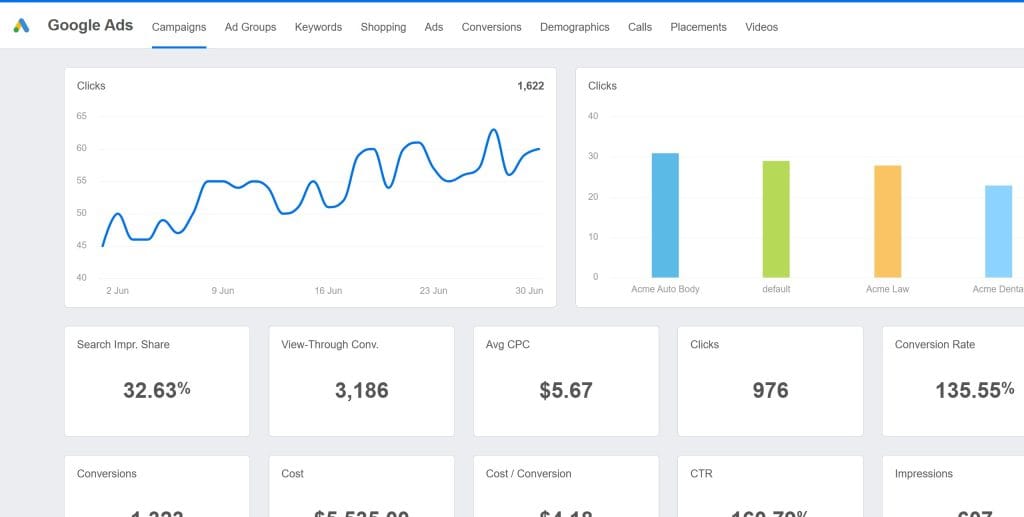
AgencyAnalytics dominates this tier, and for good reason. With 80+ integrations and built-in SEO tools — rank tracking, site audits, backlink monitoring — it eliminates the need for separate Semrush or Ahrefs subscriptions. That alone saves most agencies $100-400/month.
The platform went through a major navigation redesign that started July 2025 and rolled out through October. That kind of investment tells you the product isn’t stagnating.
But let’s talk about pricing, because this is where it gets complicated.
AgencyAnalytics raised per-client pricing from $10 to $20/month during 2025. That’s a 100% increase on the per-client component. The Freelancer plan starts at $59/month for up to 5 clients. The Agency plan runs $179-239/month depending on your billing cycle, plus $20 per additional client.
Let’s say you manage 50 clients on top of that base. The per-client increase alone adds $6,000 to your annual bill. And if you want AI features? Those require the higher-tier plans that start at $179/month.
The G2 rating sits at 4.7/5 from roughly 400 reviews. Strong overall. But dig into the 3-star reviews and pricing frustration is a consistent theme. Users also mention aggressive upselling.
One more thing worth knowing. Adobe’s $1.9 billion acquisition of Semrush could reshape the SEO tool market. If Semrush features get absorbed into Adobe’s ecosystem, AgencyAnalytics’ built-in SEO tools become a more valuable hedge. But the company has also been gradually phasing out some SEO features — so verify what’s currently included before you commit.
Best for full-service agencies with 10-100 clients who need integrated SEO tools and can absorb premium pricing. Skip if you’re budget-constrained or already paying for standalone SEO tools you’re happy with.
DashThis
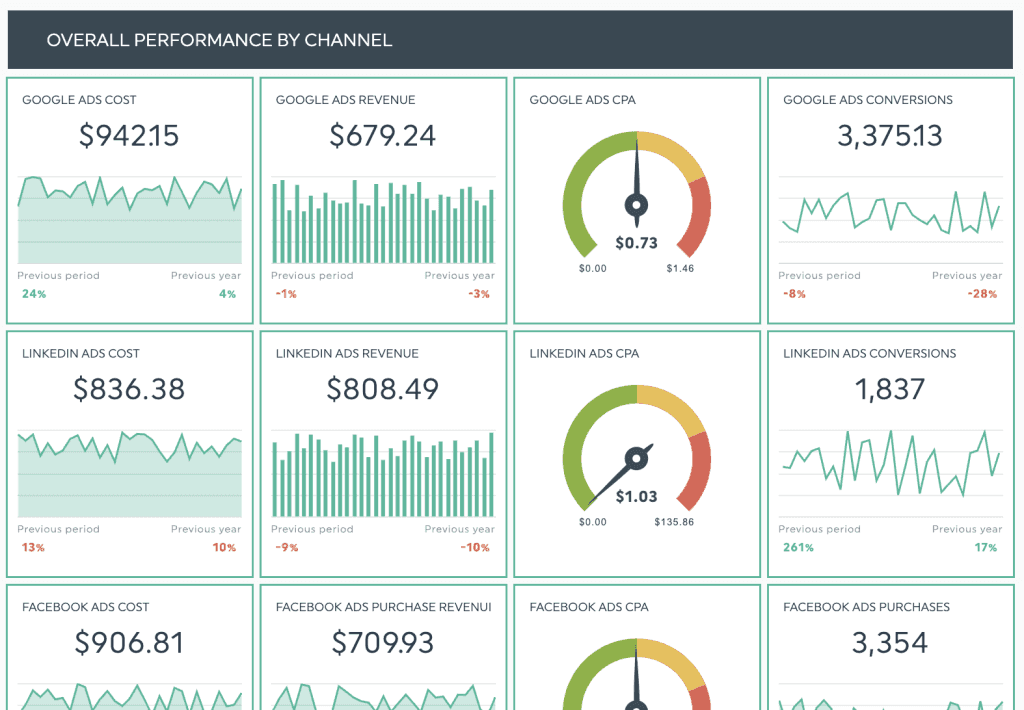
If your team isn’t technical and you need the simplest possible reporting tool, DashThis is hard to beat. The interface is genuinely intuitive — non-technical team members can build client dashboards in hours, not days. It holds a 4.7/5 G2 rating from about 80 reviews, with 34+ native integrations.
Here’s what you need to know about pricing right now, though. DashThis restructured its entire pricing model effective March 30, 2026. Current plans run $52/month for 3 dashboards up to $479/month for 50 dashboards. Under the new source-based model, the Standard plan that covers 50 dashboards jumps to $629/month.
If you’re looking at DashThis today, that pricing change already landed. Factor the new structure into your math, not the old one.
DashThis also added an AI Insights tool for automated analysis. It’s functional but newer and less sophisticated than what Whatagraph or Supermetrics offer. Think of it as a solid first version.
Best for agencies that put simplicity above everything else, especially with non-technical team members. Skip if you need deep customization or you’re scaling past 25-30 dashboards where per-dashboard pricing becomes painful.
Adriel
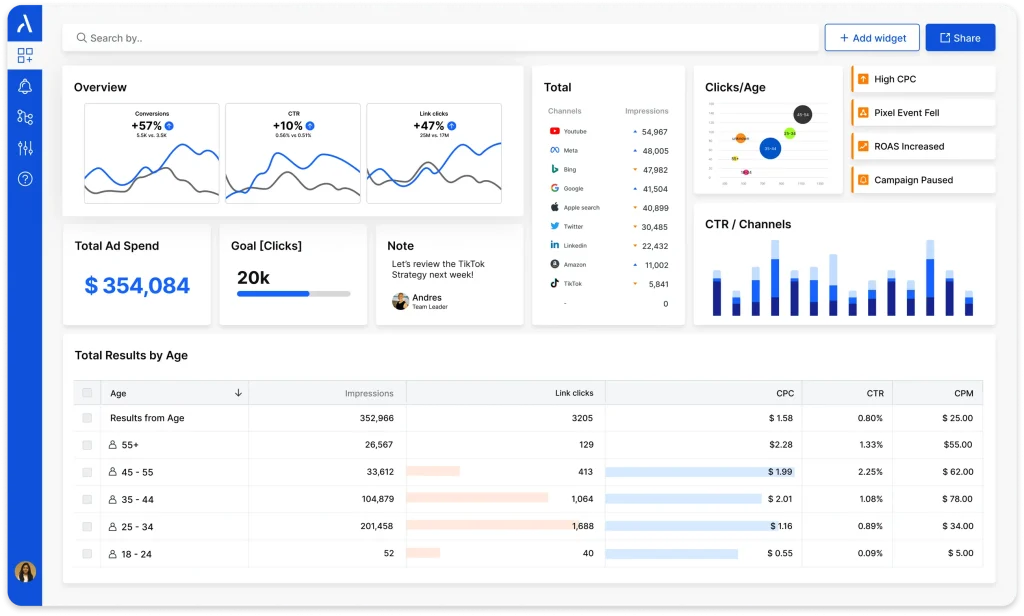
Most competitor comparison articles ignore Adriel entirely. That’s exactly why it’s worth your attention.
The platform offers 650+ integrations with particularly deep coverage of advertising and ecommerce platforms. It serves Samsung, H&M, and Hyundai — which signals enterprise-grade reliability even though it’s a newer entrant in the space.
What makes Adriel different is AI-powered creative analytics. Instead of just telling you which campaign performed best, it analyzes which visual elements, copy variations, and ad formats actually drove results. For performance marketing agencies, that shifts reporting from “here’s what happened” to “here’s what to do next.”
Pricing is custom and quote-based. Independent reviews are fewer than the established players, so you’ll want a thorough trial.
Best for performance marketing and ecommerce agencies that manage significant ad spend and want creative-level analytics alongside standard reporting. Skip if you rely on community resources, template libraries, and well-documented support forums that come with more mature platforms.
Platforms Built for Growing Agencies
These give you full reporting capabilities at a price point that actually makes sense while you scale.
Swydo
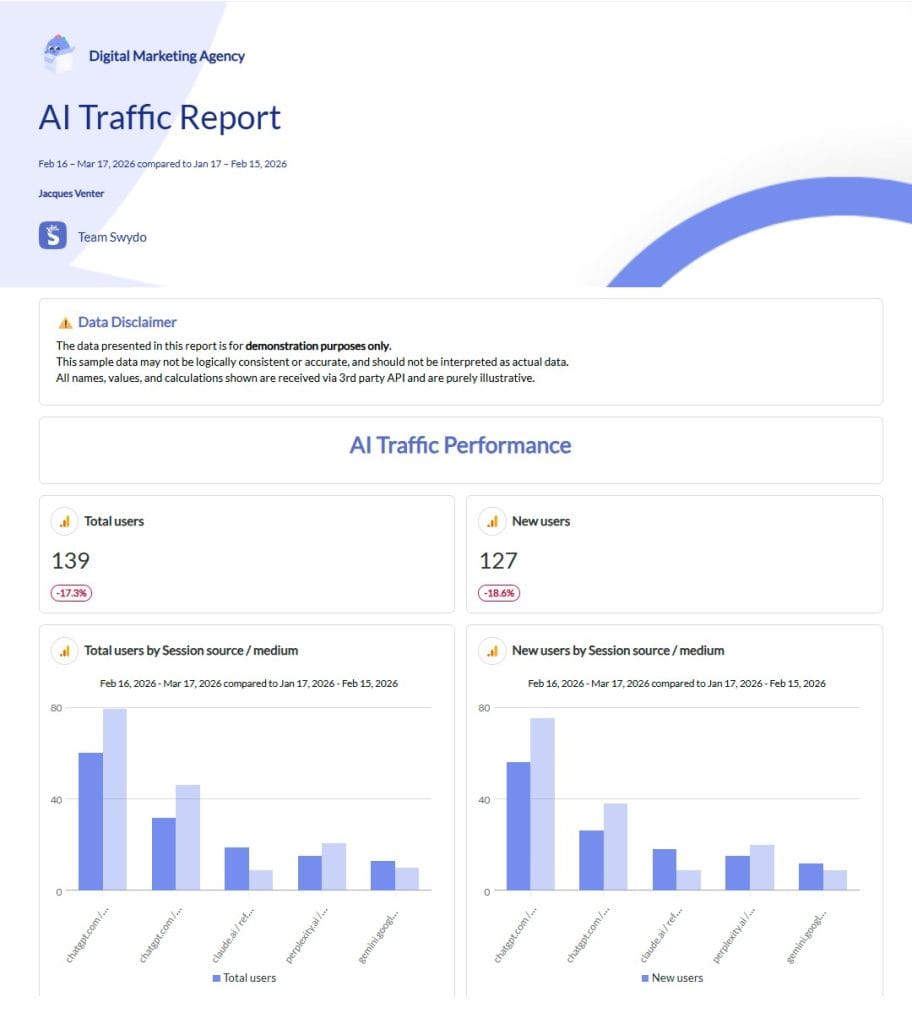
Swydo stands out for a few reasons, but the biggest one is support. Users rate it 4.5/5 on Capterra from 93 reviews, and the praise is specific and consistent — not generic “good product” reviews, but detailed accounts of fast responses and real problem-solving. In a category where many platforms treat support as an afterthought, that matters more than most agencies realize until something breaks at 9 PM before a client meeting.
The platform also solved one of the most painful problems in agency reporting: broken integrations you don’t know about. The Data Health Check Alerts, launched November 2024, proactively monitor your connections and flag issues before they corrupt your reports. If you’ve ever sent a client a dashboard full of zeros because an integration silently broke, you know exactly why this feature is a big deal.
On the AI front, Swydo launched a chatbot for natural language data queries — ask it plain-English questions about your data and get answers without digging through dashboards manually. Combined with the Monitoring Overview feature, it gives your team a way to spot trends and issues across all clients from a single view.
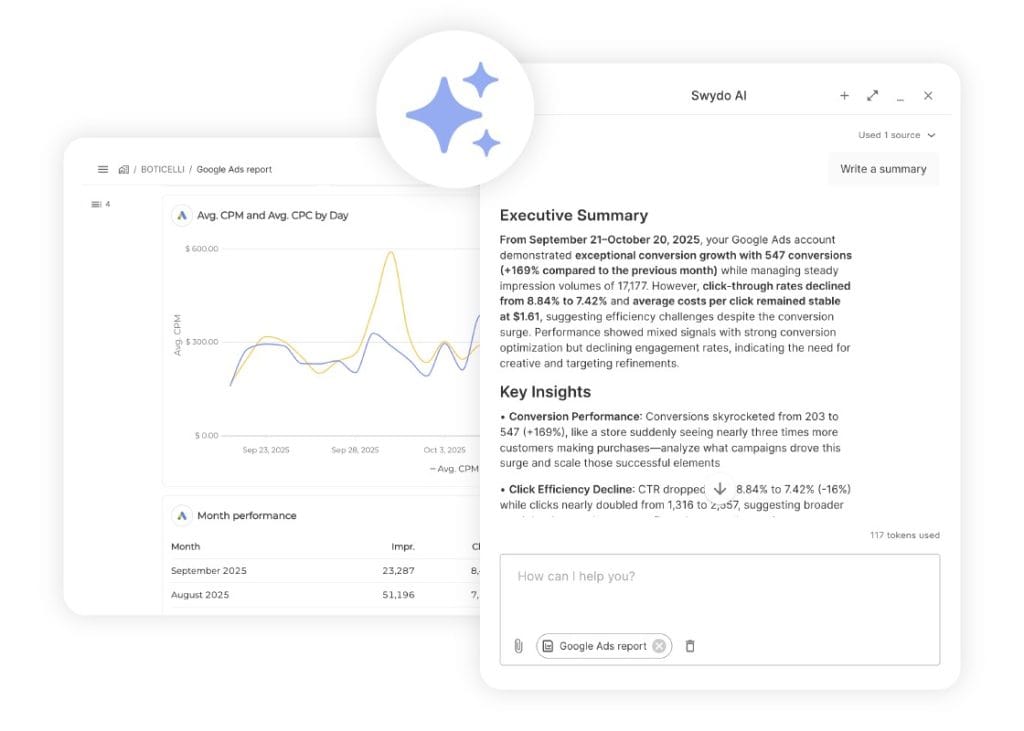
Swydo covers 30+ native integrations, which hits the core platforms most agencies need: Google Ads, Meta, Analytics, LinkedIn, and more. It’s not trying to win an integration count war. It’s focused on making the integrations it does have work reliably.
Pricing is straightforward and fully transparent. The base plan is $69/month and includes 10 data sources, unlimited users, unlimited clients, and unlimited reports. No per-client fees, no user seat charges. Additional data sources scale down in cost as you grow: $4.50 each for sources 11-100, $3.00 for 101-500, and $2.00 for 501+. That volume discount means the platform actually gets cheaper per source the more you scale — which is the opposite of how most competitors work.
To put real numbers on it: a 20-client agency that connects Google Ads, Meta, and Analytics for each client needs 60 data sources. That works out to roughly $294/month total. For unlimited users, unlimited reports, proactive monitoring, and AI-powered data queries across 20 clients, that’s strong value — especially compared to platforms where a similar setup costs $500-700/month once you factor in per-client fees and user seat charges.
Best for small-to-mid agencies with 5-50 clients that want reliable integrations, responsive support, and transparent pricing that scales with them. Skip if you need 50+ native integrations or complex cross-source data blending.
Whatagraph
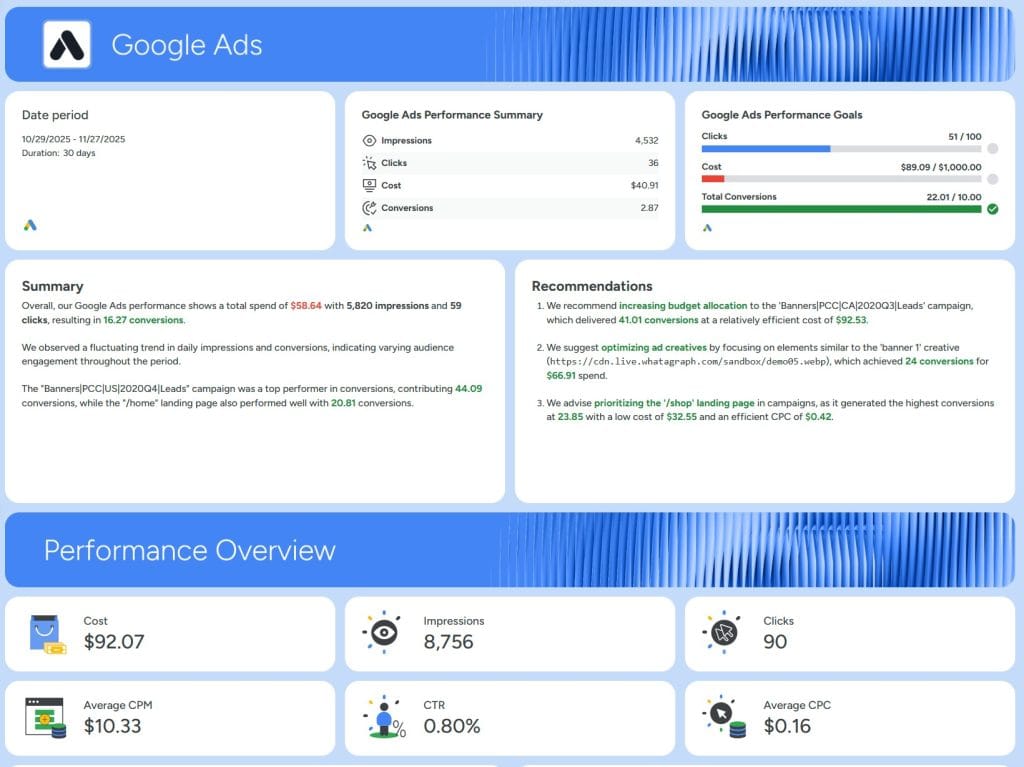
Whatagraph’s story in 2026 is a pricing story. The platform got significantly cheaper.
The Start plan now runs $229/month on annual billing with 20 data source credits and unlimited users. The Boost plan is $463/month annually with 50 credits and unlimited users. And there’s a new free tier for testing.
Compare that to early 2025, when the equivalent plans ran $286 and $724/month. That’s a 30-40% price drop, and moved every plan to unlimited users.
The headline feature is IQ Chat — Whatagraph’s AI chatbot for natural language queries across your connected data. Ask it “Why did Facebook CPM increase 20% last month?” and it gives you a data-backed answer. That’s not a gimmick. It genuinely changes how your team interacts with client data.
Whatagraph charges per data source credit only. No per-client fees, no per-report fees, unlimited dashboards, unlimited historical data.
Now, the catch. A 20-client agency that connects three sources per client needs 60 credits, which pushes you past the Boost plan into custom pricing. If you connect 2-3 sources per client, the math works beautifully. At 4+ sources per client, costs escalate.
Best for agencies with 5-20 clients that connect 2-3 data sources each and want strong AI features and unlimited dashboards. Skip if you connect 4+ sources per client and need predictable costs.
Enterprise Platforms
NinjaCat
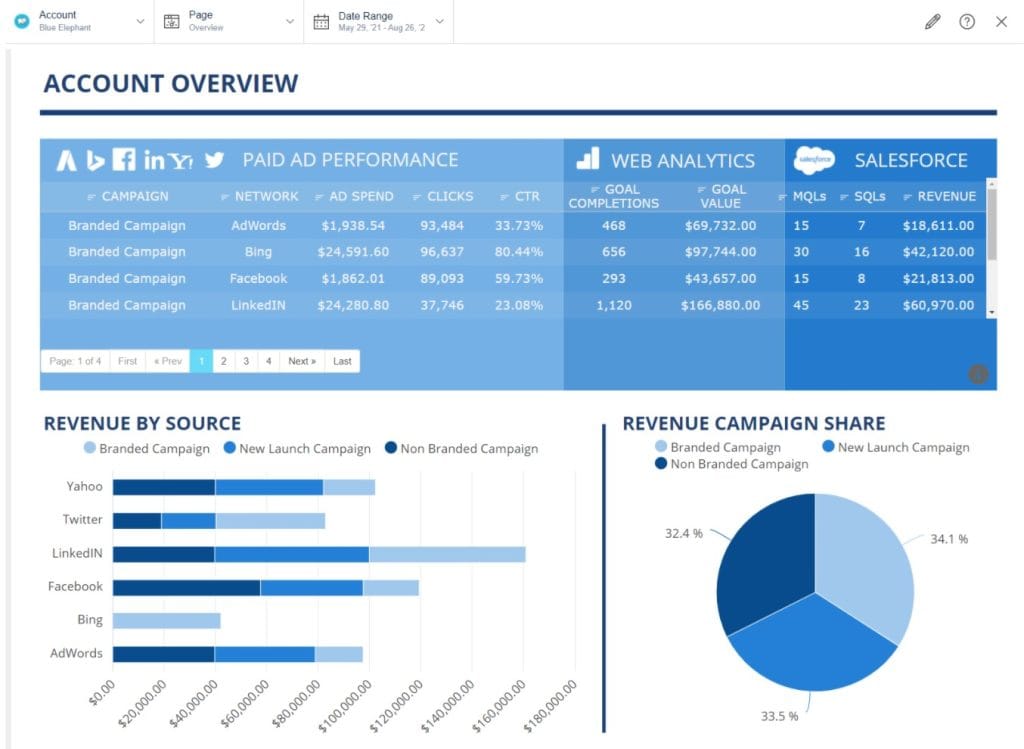
NinjaCat combines reporting, monitoring, and call tracking in one platform. That “and call tracking” part matters — most agencies pay for CallRail or a similar service separately. NinjaCat bundles it in, along with 150+ integrations and budget monitoring dashboards that prevent overspending across client campaigns.
Pricing is custom and quote-based. Review sites estimate $1,500+/month as a starting point. That sounds steep until you add up what it replaces: separate reporting, monitoring, and call tracking subscriptions easily exceed that combined.
What tells you the most about NinjaCat is the reviews. Specific support team members get called out by name in testimonials. That level of customer relationship doesn’t happen by accident.
Best for mid-to-large agencies with 20+ clients that manage high-volume PPC campaigns and need call tracking. Skip if you’re a small agency, don’t need call tracking, or can’t justify $1,500+/month.
Data Pipeline Tools
These move data from marketing sources to destinations like Google Sheets, Looker Studio, or data warehouses. You still build reports yourself in a separate tool.
Supermetrics
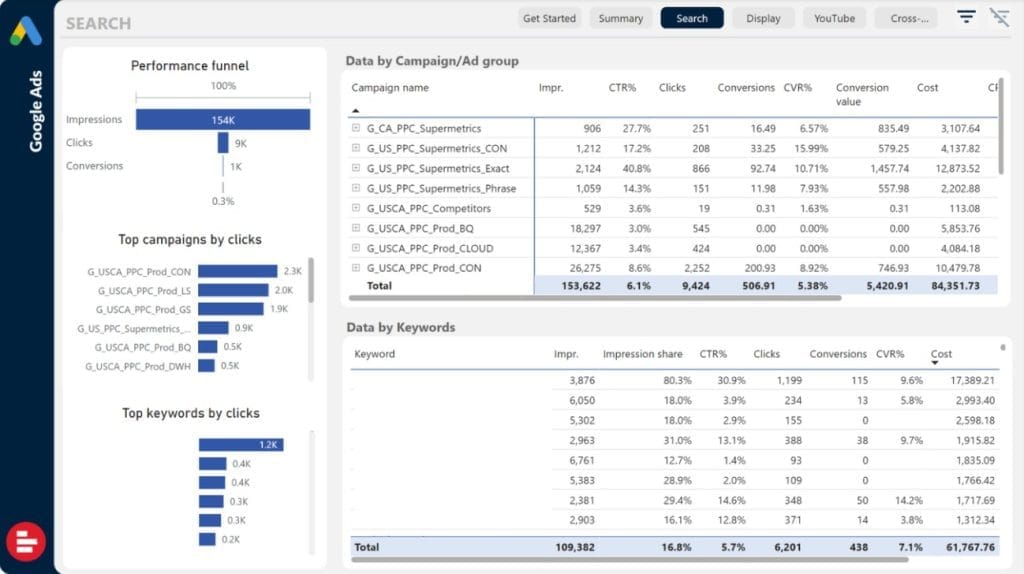
Supermetrics has the largest connector library in the data pipeline category — over 100 marketing data sources. But the gap between the advertised price and the real price is wider than almost any other platform in this space.
The Starter plan (previously called Essential) runs €29/month — roughly $37 USD on annual billing. It includes one data source plus two additional. The Growth plan jumps to $177/month. The Pro plan sits around €399/month.
In practice? Most agencies spend $600-1,200/month once they add the sources, seats, and destinations they actually need. That “$29/month” entry price works if you connect one Google Ads account to one Looker Studio dashboard. For anything more complex, multiply accordingly.
Two big developments changed Supermetrics recently:
- Supermetrics acquired customer data platform Relay42 in June 2025, which added real-time audience capabilities. This pushes Supermetrics beyond pure data connectors into something closer to marketing intelligence.
- MCP integrations launched in early 2026. This is the bigger deal. MCP (Model Context Protocol) lets you pipe your marketing data directly into AI tools like ChatGPT or Claude. Instead of opening a dashboard to check campaign performance, you ask an AI assistant to analyze last month’s results conversationally. That’s a fundamental shift in how reporting data gets consumed.
User feedback stays polarized. Technical teams love the source coverage and data granularity. Non-technical users consistently complain about slow support response times and features that migrate between pricing tiers.
Best for teams with BI infrastructure and in-house data engineers who need 100+ connectors. Skip if you want an all-in-one solution, lack technical resources, or run a small agency on a tight budget.
Funnel.io
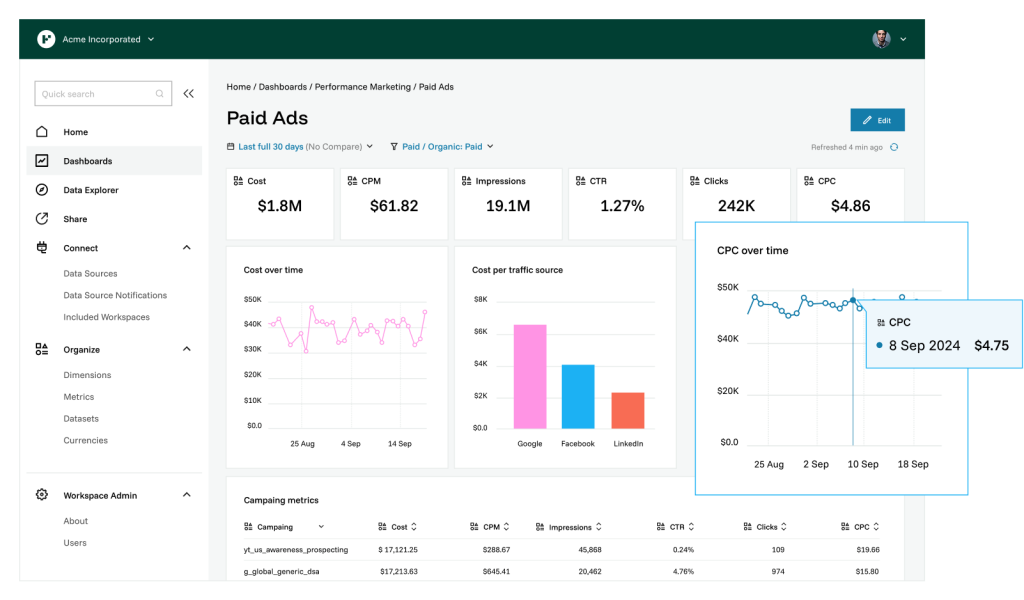
Funnel.io shows up in three of the five top competitor articles for this keyword, but most comparison guides skip it. That’s a gap worth filling.
What sets Funnel.io apart is automated data transformation. It doesn’t just move data — it maps, normalizes, and cleans it. So “Clicks” from Google Ads and “Link Clicks” from Meta become the same standardized metric in your data warehouse. If you’ve ever tried to reconcile cross-platform data manually, you know how painful that is.
With 500+ connectors and strong enterprise data governance, Funnel.io serves agencies that build custom analytics stacks. It’s infrastructure, not a turnkey reporting tool. You still need Looker Studio, Tableau, or Power BI to build the actual dashboards.
Pricing is custom and quote-based.
Best for data-sophisticated agencies that build custom analytics pipelines and need automated data normalization. Skip if you want a complete reporting solution or don’t have technical resources.
Budget Alternatives
Porter Metrics
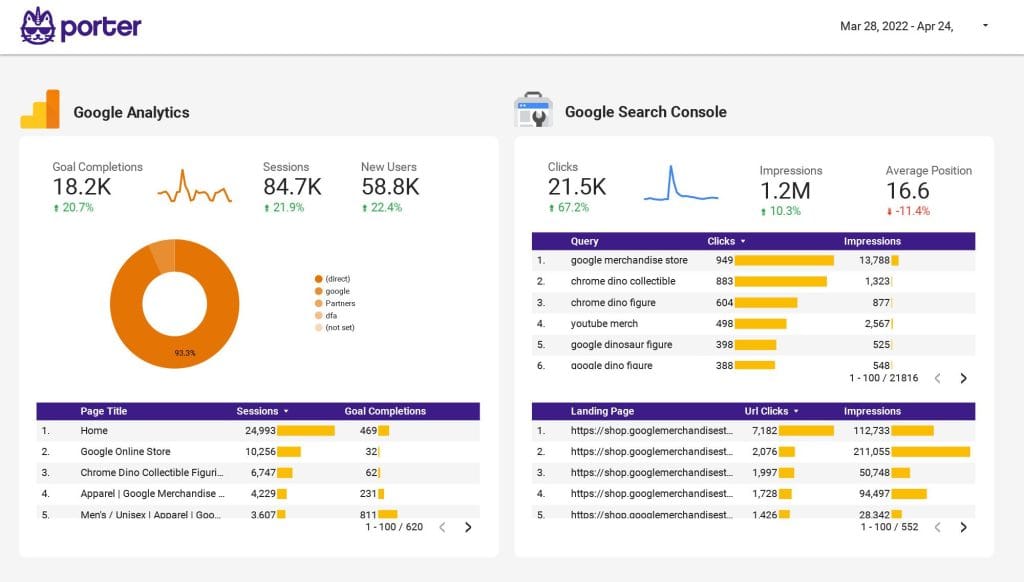
Porter Metrics is the cheapest dedicated option in this space. Prices start at $12.50/month on annual billing or $15/month billed monthly, per connected account. The platform offers roughly 20-25 native connectors and 80+ free report templates.
A quick note on those numbers — you might see “100+ integrations” cited elsewhere, but that figure appears to mix up actual connectors with templates. The real connector count is closer to 20-25.
For freelancers just getting started, that price-to-template ratio is compelling. But limited independent reviews and a newer market presence mean you’re accepting some platform risk.
Best for solo freelancers or micro-agencies with 1-5 clients on tight budgets that work with major ad platforms. Not suited for agencies that need broad integration coverage or enterprise reliability.
Google Looker Studio
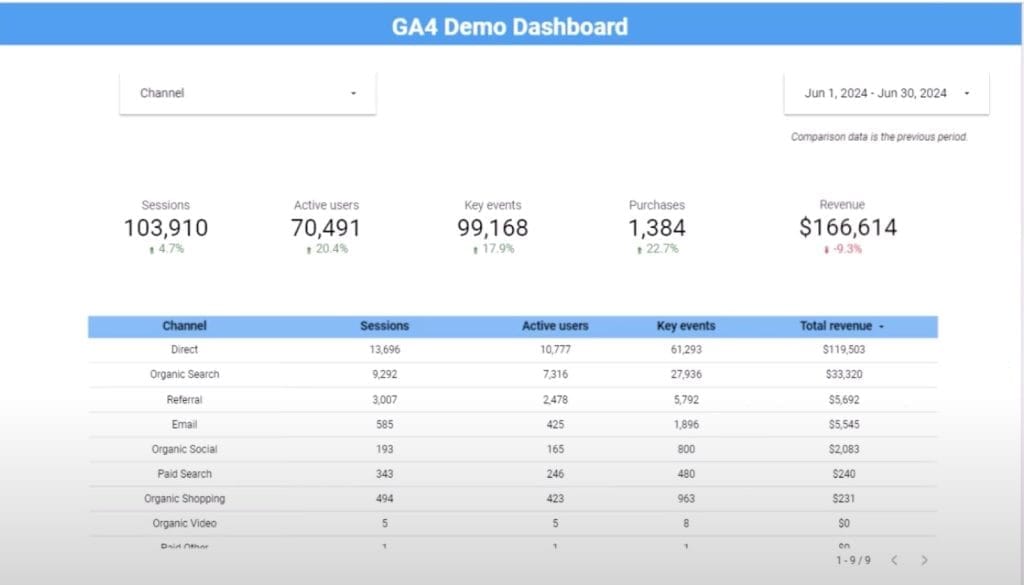
Google Looker Studio costs nothing. Zero. And it integrates seamlessly with Google Analytics, Google Ads, and Search Console out of the box.
If you do exclusively Google-platform marketing, this is a legitimate standalone solution. The problem shows up the moment your clients use Meta, LinkedIn, TikTok, Shopify, or anything else. Non-Google sources require paid connectors — Supermetrics starts at roughly $37/month for basic Looker Studio connectivity. Add 3-4 sources and you’re spending $100-200/month on connectors alone, and you still have to build every dashboard manually.
White-labeling capabilities remain basic. Custom domains, branded logins, automated report delivery — all of those require workarounds.
Best for budget-conscious freelancers that work primarily with Google platforms, or as a supplementary tool alongside a primary reporting platform. Skip if you need non-Google integrations or prefer turnkey white-label capabilities.
Which Platform Matches Your Agency Right Now
Forget what you might need in three years. What do you need today?
If you’re a solo freelancer or micro-agency (1-5 clients), go with Google Looker Studio plus Supermetrics Starter at roughly $37/month total. Or Porter Metrics at $12.50-15/month if every dollar counts. You can upgrade when you hit 10+ clients and the manual dashboard work becomes unsustainable.
If you run a growing agency (5-25 clients), Swydo is the strongest fit. At $69 base plus roughly $100-200 in data source fees (totaling $149-249/month), you get unlimited users and reports, proactive monitoring, AI-powered queries, and the kind of support that actually picks up when you need help. If SEO tools are core to your services, AgencyAnalytics at $59/month is your alternative.
If you run an established agency (25-100 clients), AgencyAnalytics at $179/month plus $20 per client gives you bulk operations and reliability at scale. Whatagraph at €199/month annually works if you’d rather have AI features and unlimited dashboards than built-in SEO tools.
If you’re enterprise (100+ clients), NinjaCat or TapClicks. Custom pricing, typically $1,500-3,000/month. These are the only platforms built for this scale with dedicated support and workflow automation that actually works at volume.
What’s your biggest pain point with your reporting setup right now? Integration gaps? Widget limits? Slow development? Your primary frustration should drive the decision more than any feature comparison table.
The Bottom Line
Your reporting platform should fade into the background. If it eats your team’s time through unreliability, limitations, or workflow friction, it’s not serving you — it’s costing you.
The right platform depends on matching your current scale and needs to the tool that solves your specific pain points. Small agencies with 1-10 clients do well with Porter Metrics or Looker Studio plus Supermetrics. Agencies with 10-50 clients thrive with Swydo or AgencyAnalytics. Established agencies with 50+ clients need NinjaCat or TapClicks.
But here’s what matters more than the platform you pick: you have to set it up properly, train your team on it, and optimize as you go. The agencies that win aren’t using the most expensive tool. They’re using the right one — and using it well.
What’s your biggest frustration with your current reporting setup? Start there. The platform that solves that specific problem is probably your best next move.
Oviond Alternatives FAQ
Direct answers to the questions agencies actually ask before switching reporting platforms
There’s no single best alternative — it depends on your agency’s size and needs. AgencyAnalytics is the strongest all-in-one option for agencies that need built-in SEO tools alongside reporting. Swydo is the best fit for growing agencies that want transparent pricing, reliable integrations, and responsive support. Whatagraph leads on AI-powered data queries. For budget-conscious freelancers, Google Looker Studio combined with Supermetrics works, though it requires manual dashboard building.
A reporting platform (like AgencyAnalytics, Swydo, or Whatagraph) handles everything end-to-end: it connects your data, builds dashboards, generates branded reports, and delivers them to clients. A data connector (like Supermetrics or Funnel.io) only moves raw data from marketing platforms to a destination like Looker Studio or a data warehouse — you still need a separate tool to build the actual reports. Many agencies spend $600+/month on a data connector expecting a complete solution, only to realize they still have to build every dashboard from scratch.
The most common reasons are widget limits (Oviond caps dashboards at 20 widgets, which forces you to split reports across multiple dashboards), limited historical data (capped at 3 months, which makes year-over-year comparisons impossible for enterprise clients), integration gaps with platforms like Shopify and Facebook Ads, and a lack of AI features that competitors now offer as standard. Agencies also report issues with templates disappearing after platform migrations and the inability to make bulk changes across client dashboards.
White-label reporting means your clients see your agency’s branding — your logo, colors, and domain — instead of the software company’s branding. It matters because when clients see “Powered by [Tool Name]” on reports, they start wondering if they could just buy the tool directly and cut your agency out. Full-service platforms like AgencyAnalytics, Swydo, and Whatagraph include strong white-labeling. Data connectors like Supermetrics don’t handle white-labeling at all since you build reports in a separate tool. Google Looker Studio offers only basic options that require workarounds.
Advertised prices and real costs are often very different. A 20-client agency can expect to pay roughly: Swydo $149–294/month (base + per-source fees that decrease at volume), AgencyAnalytics $179–239/month base plus $20 per client ($579–639/month total), Whatagraph €199+/month on annual billing, DashThis $479–629/month for 50 dashboards, Supermetrics $600–1,200/month once you add the sources, seats, and destinations you actually need. Always calculate your total cost based on your real client count, data sources per client, and team size — not the starting price on the homepage.
Swydo stands out here. It charges $69/month base with unlimited users, unlimited clients, and unlimited reports — then adds a per-data-source fee that actually decreases as you grow ($4.50 each for sources 11–100, $3.00 for 101–500, $2.00 for 501+). No per-client fees, no user seat charges. Most competitors charge per client, per user, or per dashboard, which makes costs harder to predict and typically more expensive at scale.
Looker Studio itself is free and works well with Google Analytics, Google Ads, and Search Console. But the moment your clients use Meta, LinkedIn, TikTok, or Shopify, you need paid connectors. Supermetrics starts at roughly $37/month for basic Looker Studio connectivity — add 3–4 non-Google sources and you’re at $100–200/month in connector costs alone. You also build every dashboard manually and get minimal white-labeling. It’s a legitimate option for freelancers working exclusively with Google platforms, but it’s rarely free in practice for agencies.
An account manager handling 25 clients who spends 90 minutes per client per month on manual report assembly burns nearly a full work week (37+ hours) on tasks that produce no new value. Automated white-label platforms can recover up to 137 billable hours per month for an agency. Even at a modest $100/hour billing rate, 8 hours a month lost to broken integrations or manual workarounds costs you $9,600/year. The platform itself might cost $200–400/month, but the labor savings often deliver 10:1 ROI or better.
Whatagraph leads with IQ Chat — a natural language chatbot where you can ask questions like “Why did Facebook CPM increase 20% last month?” and get data-backed answers. Supermetrics introduced MCP integrations that pipe marketing data directly into AI tools like ChatGPT or Claude for conversational analysis. Swydo offers an AI chatbot for data queries alongside a Monitoring Overview for spotting cross-client trends. Adriel focuses on AI creative analytics that analyze which ad visuals and copy variations drove results. AgencyAnalytics provides AI summaries on higher-tier plans. DashThis has an AI Insights tool, though it’s newer and less mature.
Most agencies use fewer than 10 integrations regularly. The core set — Google Ads, Meta, Google Analytics, LinkedIn, and a handful of others — covers the majority of client reporting. A platform with 30–50 reliable integrations (like Swydo or DashThis) serves most agencies well. Having 500+ connectors sounds impressive but means nothing if you only use 8 of them. The exception is ecommerce or performance marketing agencies that rely on niche ad platforms — in that case, verify your specific must-have integrations before signing up. Focus on reliability over raw count.
Data Health Alerts proactively monitor your integrations and flag issues before they corrupt your reports. Swydo is the platform that offers this feature. If you’ve ever sent a client a dashboard full of zeros because a data connection silently broke overnight, you know exactly why this matters. Instead of discovering the problem when your client sees the report, you get notified as soon as something goes wrong — giving you time to fix it before anyone notices.
Yes — most leading alternatives support both agency-managed and client-owned accounts. This is a known limitation with Oviond, where users have reported that Facebook Ads only works with agency-owned accounts. AgencyAnalytics, Swydo, Whatagraph, and other established platforms connect to both types across all major advertising platforms, so your clients don’t need to transfer ad account ownership to your agency.
AgencyAnalytics is the clear leader here. It includes rank tracking, site audits, and backlink monitoring — features that can eliminate the need for a separate Semrush or Ahrefs subscription, saving $100–400/month. No other reporting platform matches this depth of built-in SEO tooling. If SEO is a core service for your agency, AgencyAnalytics can consolidate your tool stack. If you already pay for standalone SEO tools you’re happy with, the built-in SEO features may not add enough value to justify AgencyAnalytics’ higher per-client pricing.
Switch when: your platform is costing you clients because of integration gaps, you spend more time fixing broken connections than analyzing data, you keep hitting widget or dashboard limits, your clients want year-over-year comparisons your platform can’t deliver, or you’re paying for three separate tools (reporting + SEO + call tracking) to do one job. Stay if: you manage fewer than 15 clients with straightforward needs, your integrations work fine, and your team is productive. A $50/month savings alone doesn’t justify weeks of migration chaos — but losing even one $5,000/month client because of platform limitations costs far more than switching ever would.
Expect 4–8 weeks for a complete migration: Week 1 for setup and connecting integrations, Week 2 to rebuild templates, Week 3 to test with 2–3 pilot clients, and Week 4 onward to migrate remaining clients in waves. Agencies that try to migrate “whenever we have time” typically take 3–4 months. Don’t migrate during your busy season, and keep access to your old platform for at least 30 days during the transition so you can reference historical reports if needed.
Not usually. Most reporting platforms pull fresh data directly from the source (Google Ads, Meta, etc.), not from your old platform. So your new platform will pull historical data from the marketing channels themselves — typically 12–36 months of lookback depending on the source. However, any custom annotations, notes, or commentary you added inside your old platform won’t transfer. Export everything you need from your current platform before canceling, and verify that each new integration pulls the historical depth your clients require.
Yes, in most alternatives — and this is one of the biggest operational upgrades agencies get when switching from Oviond. AgencyAnalytics, Swydo, Whatagraph, and enterprise platforms allow bulk template updates across all clients simultaneously. So when a platform changes its metrics or you want to add a new widget to every dashboard, you update one template instead of editing 50 dashboards individually.
Google Looker Studio plus Supermetrics Starter at roughly $37/month total, or Porter Metrics at $12.50–15/month if every dollar counts. At this size, the manual dashboard work is manageable and the budget saved matters more than automation features. Plan to upgrade to a full-service platform once you hit 10+ clients and the manual work becomes unsustainable.
Swydo is the strongest fit at this size. At $69 base plus roughly $100–200 in data source fees ($149–249/month total), you get unlimited users, unlimited reports, proactive Data Health Alerts, AI-powered queries, and consistently top-rated support. If SEO tools are core to your services, AgencyAnalytics at $59/month base is the alternative — though per-client fees add up as you grow. This is the growth stage where reliability, transparent pricing, and responsive support matter most.
AgencyAnalytics at $179/month plus $20 per client gives you bulk operations, 80+ integrations, and built-in SEO tools at scale. Whatagraph works if you’d rather have AI features and unlimited dashboards than built-in SEO — though costs escalate if you connect 4+ data sources per client. At this scale, look for bulk template management, reliable automated report delivery, and a platform that handles complexity without breaking.
NinjaCat or TapClicks. Custom pricing, typically $1,500–3,000/month. These are the only platforms built for this scale with dedicated support teams, call tracking, budget monitoring dashboards, and workflow automation that actually works at high volume. NinjaCat bundles call tracking that most agencies pay for separately (like CallRail), and the 150+ integrations cover virtually any platform your clients use. The cost sounds steep until you total up what separate reporting, monitoring, and call tracking subscriptions cost you today.
Adriel, with 650+ integrations and deep coverage of advertising and ecommerce platforms. It serves enterprise clients like Samsung and H&M, and its standout feature is AI-powered creative analytics — it analyzes which visual elements, copy variations, and ad formats actually drove results, not just which campaign performed best. Pricing is custom and quote-based. If you manage significant ad spend and want creative-level insights alongside standard reporting, Adriel fills a gap no other platform covers as well.
See why agencies switch to Swydo for reliable, white-label client reporting.
Start Your Free Trial Today